
What I’ve learned about aging from a recent longevity conference
Last week I attended a longevity conference at Thames Lido in Reading. It was refreshing to have learning take place in a wellness venue - I could actually see trees and water from the window too!
The current reality
The statistics were clear: life expectancy has doubled since 1900, but healthspan hasn't kept pace¹. Most people now spend their final years managing multiple chronic conditions rather than living well. By 2035, over two-thirds of UK adults over 35 will be living with multiple health issues².
However, the research presented showed that aging is modifiable. Genetics only account for about 20-30% of how we age - the rest comes down to lifestyle factors we can actually influence³.
How cells actually age
The conference covered the key biological processes that drive aging, known as the hallmarks of aging⁴. Our cells have specific ways they communicate with each other, produce energy, and repair damage. Over time, these systems become less efficient.
What was particularly relevant to my practice was learning how nutrition directly impacts cellular communication and energy production. The foods we eat literally influence how our cells age at a molecular level through processes like mitochondrial function and nutrient sensing pathways⁵.
The mediterranean research
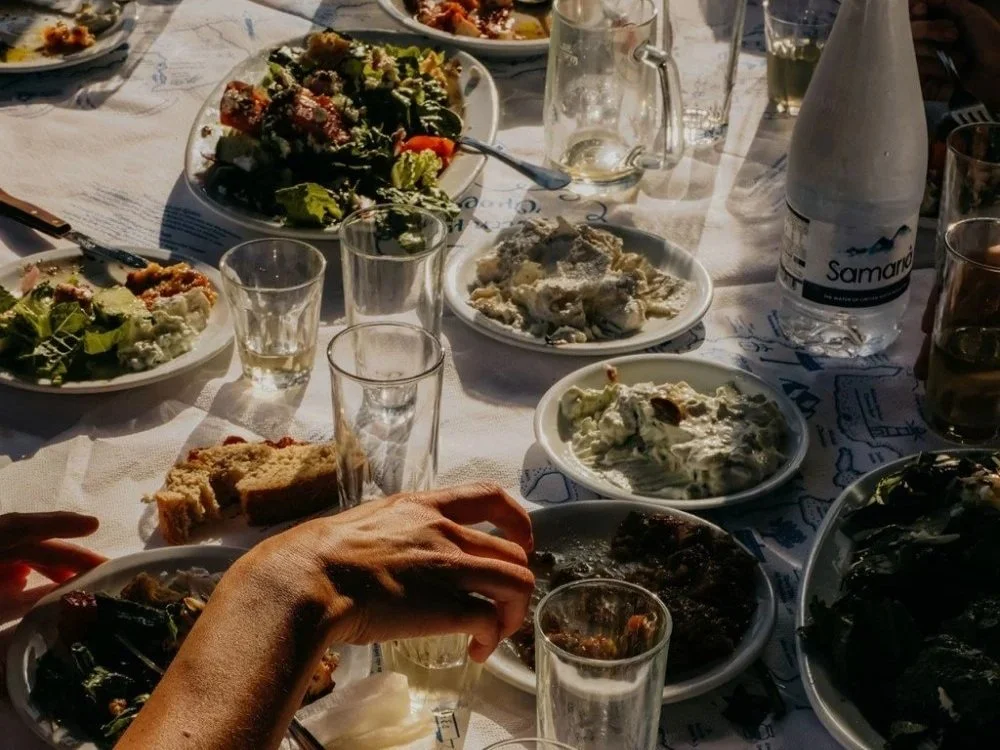
Multiple studies show Mediterranean populations have longer health spans⁶. The research revealed it's not just their diet - it's their integrated lifestyle approach including social connections, daily movement, and eating patterns that align with natural rhythms.
Practical applications
The most useful takeaway was that small, consistent changes can significantly impact aging trajectories. The research showed:
Strategic nutrition changes can influence cellular repair processes⁷
Specific nutrients support the pathways that determine how we age⁸
Stress management directly affects cellular aging⁹
Sleep quality impacts multiple aging processes¹⁰
Recent research from the DO-HEALTH trial demonstrated that omega-3 fatty acids, vitamin D, and exercise had measurable effects on biological aging markers over just 3 years¹¹.
What this means in practice
This science directly relates to the work I do with clients. Nutritional therapy can target the specific pathways that influence healthy aging, while reflexology supports the nervous system processes that coordinate cellular repair and communication.
The key is identifying which areas need support for each individual person. Some people need nutritional optimisation, others need better stress management, many need both.
If you're interested in understanding how your current lifestyle is affecting how you age, or want to explore targeted approaches to support healthy aging, book a consultation to discuss your specific needs.
Click here to book a nutritional therapy or reflexology consultation.
References
Lawton, G. (2025). A new measure of health is revolutionising how we think about ageing. New Scientist.
Garmany, A., & Terzic, A. (2024). Global Healthspan-Lifespan Gaps Among 183 World Health Organization Member States. JAMA Network Open, 7(12).
Hjelmborg, J. V., et al. (2006). Genetic influence on human lifespan and longevity. Human Genetics, 119(3), 312-321.
López-Otín, C., et al. (2023). Hallmarks of aging: An expanding universe. Cell, 186(2), 243-278.
Davinelli, S., et al. (2025). Dietary polyphenols as geroprotective compounds: From Blue Zones to hallmarks of ageing. Ageing Research Reviews, 108, 102733.
Shannon, O. M., et al. (2021). Mediterranean diet and the hallmarks of ageing. European Journal of Clinical Nutrition, 75(8), 1176-1192.
Grande de Franca, N. A., et al. (2023). The role of dietary strategies in the modulation of hallmarks of aging. Ageing Research Reviews, 87, 101908.
Ames, B. N., et al. (2005). Mineral and vitamin deficiencies can accelerate the mitochondrial decay of aging. Molecular Aspects of Medicine, 26(4-5), 363-378.
Davis, E. G., et al. (2017). Accelerated DNA methylation age in adolescent girls: associations with elevated diurnal cortisol and reduced hippocampal volume. Translational Psychiatry, 7(8).
Sambou, M. L., et al. (2024). Associations between sleep-behavioral traits and healthspan: A one-sample Mendelian randomization study. Journal of Affective Disorders, 350, 854-862.
Bischoff-Ferrari, H. A., et al. (2025). Individual and additive effects of vitamin D, omega-3 and exercise on DNA methylation clocks of biological aging in older adults from the DO-HEALTH trial. Nature Aging, 5(3), 376-385.