
What is Reflexology?
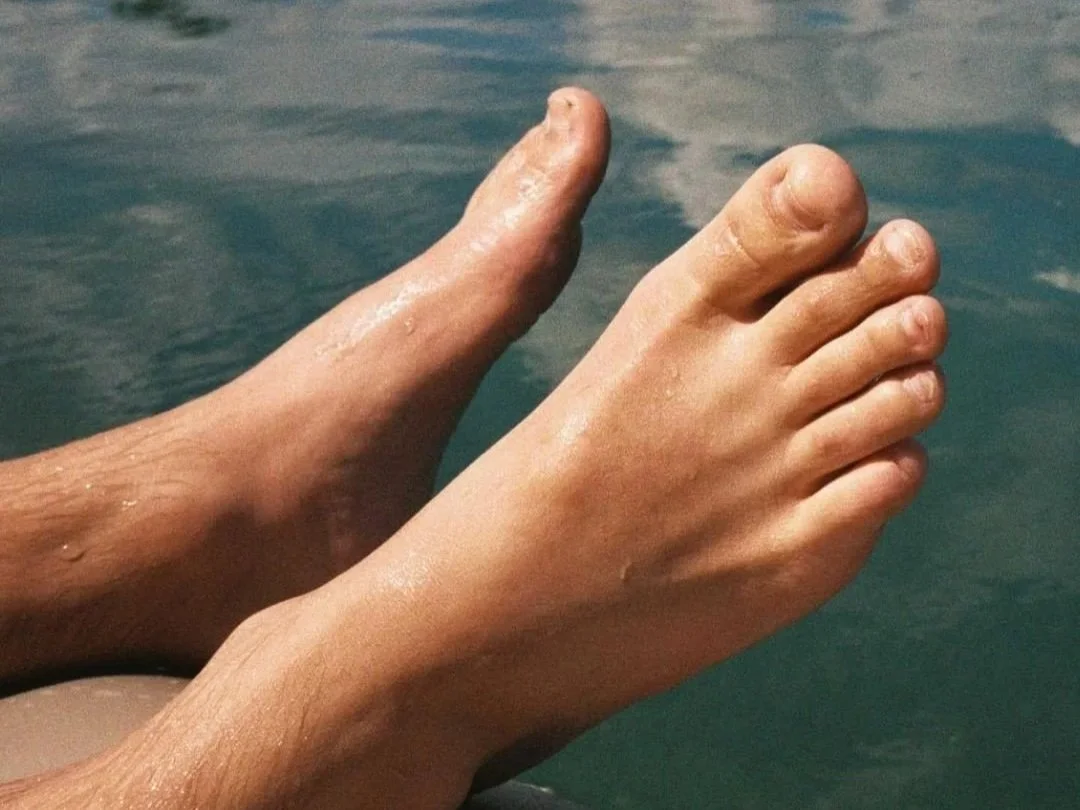
Imagine your feet as a living map, a small and intricate reflection of your entire body. Every organ, every system, every energetic pathway is said to have its counterpart somewhere along the soles, heels, and toes. This is the foundational premise of reflexology: a deeply intuitive practice that has been woven into healing traditions across cultures for thousands of years.
Reflexology is a form of holistic therapy in which gentle, intentional pressure is applied to specific points (known as reflex zones) on the feet, hands, or ears. The belief is that these zones correspond to different parts of the body, and that working them can encourage the body's own innate capacity to restore balance, release tension, and heal.
The feet carry us through life. Reflexology asks us to pause, to be held, and to let the body remember its own wisdom.
Where does reflexology come from?
The roots of reflexology stretch back across centuries and continents. Pressure-point healing appears in the medical traditions of ancient Egypt, China, and India, with evidence of foot work found in tomb paintings at Saqqara dating back to around 2330 BCE. In traditional Chinese medicine, the concept of qi (life energy) flowing through meridian pathways forms a close philosophical kin to reflexology's understanding of energetic connection.
In the early 20th century, American physician Dr. William Fitzgerald developed what he called "Zone Therapy," mapping the body into ten vertical zones and proposing that pressure in one area could affect another within the same zone. His work was expanded by physiotherapist Eunice Ingham in the 1930s, who created the detailed foot maps still used by practitioners today.
What to expect from a session
A reflexology session is a deeply restful experience. You remain clothed, reclining or lying down, while the practitioner works methodically through the reflex points on your feet using thumbs, fingers, and knuckles in slow, rhythmic movements. Sessions typically last between 45 minutes and an hour.
Many people drift into a meditative, deeply relaxed state during treatment. Some feel a gentle warmth or tingling as energy is said to move through the body. Others notice areas of tenderness that correspond, sometimes with striking accuracy, to parts of the body currently under stress or imbalance.
The benefits, holistically understood
While conventional medicine views reflexology as a complementary therapy rather than a cure, those who practise and receive it speak to a wide range of benefits. These include profound stress relief and nervous system regulation, improved sleep, reduced anxiety, better circulation, and a restored sense of wholeness. For many, it is as much a spiritual practice as a physical one: a chance to slow down, come home to the body, and reconnect with the intelligence that lives within it.
In reflexology, nothing in the body exists in isolation. Everything is in conversation with everything else.
Whether you are exploring reflexology out of curiosity, seeking relief from a specific tension, or simply feeling called to a more intentional relationship with your body, this ancient art offers a gentle, honouring space to begin.
Get in touch if you’d like to book a session today.